The future of dining is already taking shape – and it’s being defined by chefs who are pushing boundaries, rethinking traditions, and creating food that nourishes on every level. Recent recognitions from MENA’s 50 Best Restaurants, Gault&Millau UAE, and the MICHELIN Guide reflect trends that have been building across the region.
As the official partner of the MICHELIN Guide in Abu Dhabi, Dubai, and Doha, we’re closely observing these shifts by working directly with the region’s most progressive culinary teams. Our role is to understand what’s happening inside the best kitchens today – and translate those insights into practical direction.
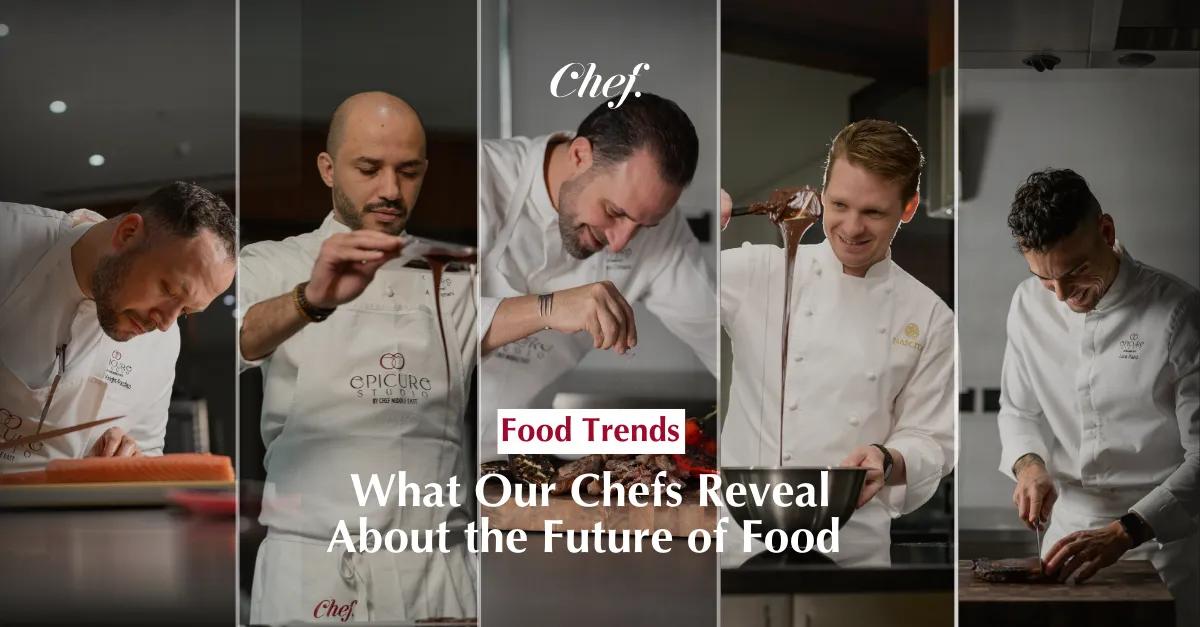
We asked our chefs across different disciplines – pastry innovation and culinary development – about what they're seeing, creating, and excited for the year ahead.
Two powerful themes emerged that reveal where the entire industry is heading.
Wellness Is No Longer a Trend, It's the Foundation
Our chefs are rethinking food through the lens of holistic wellness, not as restriction, but as a core culinary value. Here’s what our team is seeing:
1. Blue Zone Eating and Longevity Cuisine Are Moving Mainstream
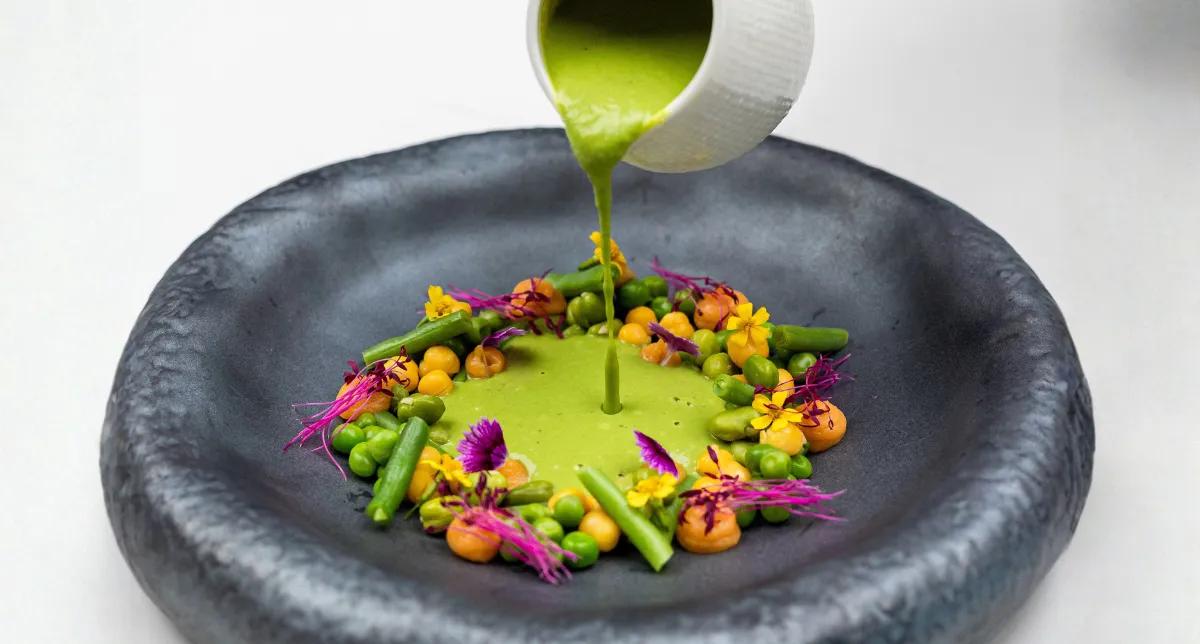
Guests are no longer looking only for healthy food, but for food that extends their wellbeing. Chef Georges Chihane, Culinary Development Manager at Chef Middle East, explains: “Menus are being inspired by the world's longest-living populations, focusing on plant-forward dishes with whole grains, legumes, nuts, and functional fats.”
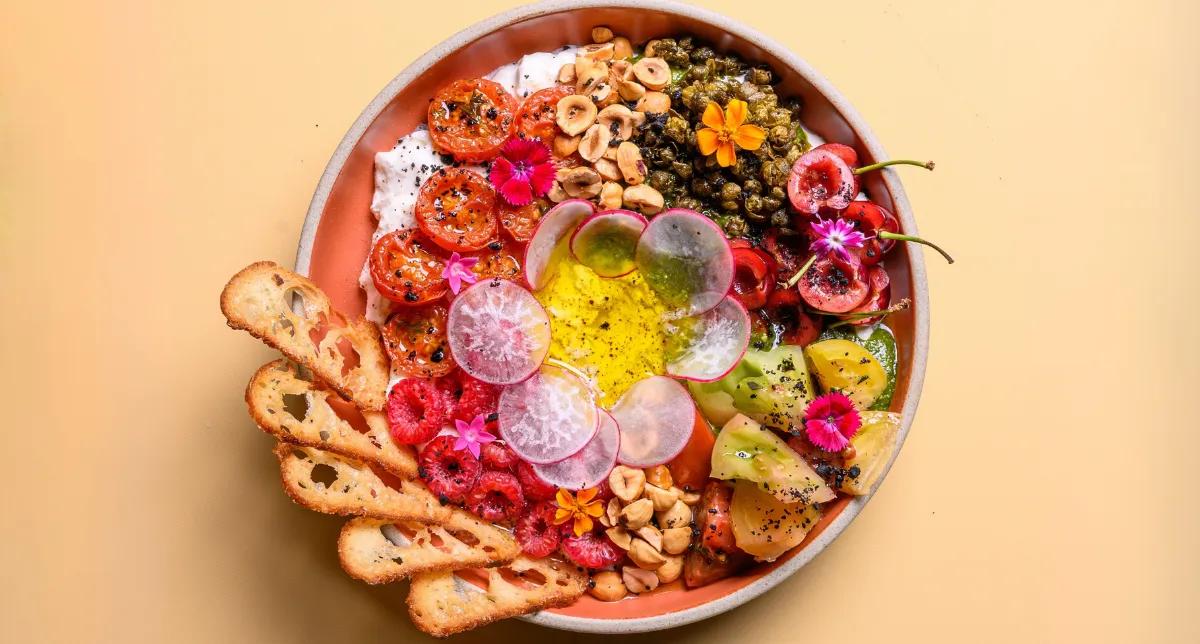
This shift is already visible across the UAE — from seasonal, produce-driven menus that champion local ingredients, to Mediterranean-leaning philosophies where vegetables, olive oil, and simplicity take center stage. It’s also reflected in one of the country’s most closely watched openings, Middle Child, whose pantry-led, minimally processed approach signals a broader return to honest, longevity-minded food.
Last year, Chef Middle East further championed this movement through The Green Edit — a collaborative initiative bringing together Dubai’s three MICHELIN Green Star restaurants: BOCA, LOWE, and Teible. The one-day event highlighted seasonality, zero-waste cooking, and locally sourced ingredients, reinforcing the industry’s growing commitment to sustainability not as a trend, but as a long-term responsibility.
2. Pastry Is Rethinking Sweetness and Balance
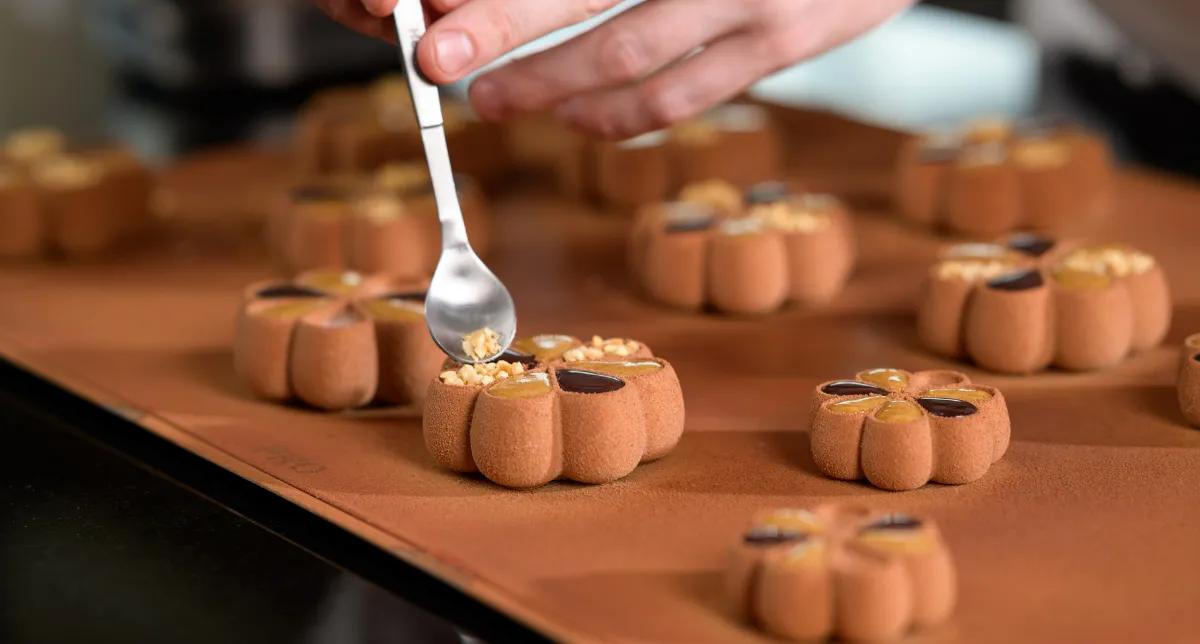
A growing focus on balance is changing how pastry chefs approach sweetness. Chef Jacob Lovelace, Pastry Chef and Trainer at Chef Middle East explains: “By reducing refined sugar and working with natural fruit sugars, it's possible to create desserts that feel lighter, more balanced, and still genuinely indulgent.”
Championing this are pastry chefs like Chef Tom Coll, whose desserts prioritise restraint, flavour clarity, and alternative approaches to sweetness. Brands like Nascita also help chefs translate this philosophy into practice through a range of thoughtfully developed sugar alternatives.
3. Vegetables Are No Longer Substitutes — They’re the Hero
Chef Luca Piano, Sous Chef at Chef Middle East, believes that the plant-based movement is evolving, and chefs are reimagining how vegetables anchor the dining experience. “We’re putting vegetables at the centre of the experience, with proteins shifting to a supporting role for flavour and texture. This makes eating more plants an accessible and delicious adventure for everyone, not just vegans” says Chef Luca.
This shift is already evident across the region’s most celebrated, MICHELIN-starred dining rooms. At Avatāra, the entirely vegetarian tasting menu demonstrates that plant-based cuisine can stand at the highest level of fine dining. In a market traditionally dominated by premium meats and seafood, earning international acclaim with a fully vegetarian concept signals a meaningful shift in both craft and consumer appetite.
At Trèsind Studio, the narrative is equally compelling. While the restaurant offers both vegetarian and non-vegetarian tasting menus, the vegetable-led experience is given equal creative weight — not as an alternative, but as a main expression of the kitchen’s philosophy.
Authenticity Through Cultural Storytelling
Authenticity in 2026 doesn't mean staying within borders. It means honouring origins while creating something genuinely new. Our chefs highlight this movement in the region.
1. Third-Culture Cuisine Is Shaping the Next Generation of Menus
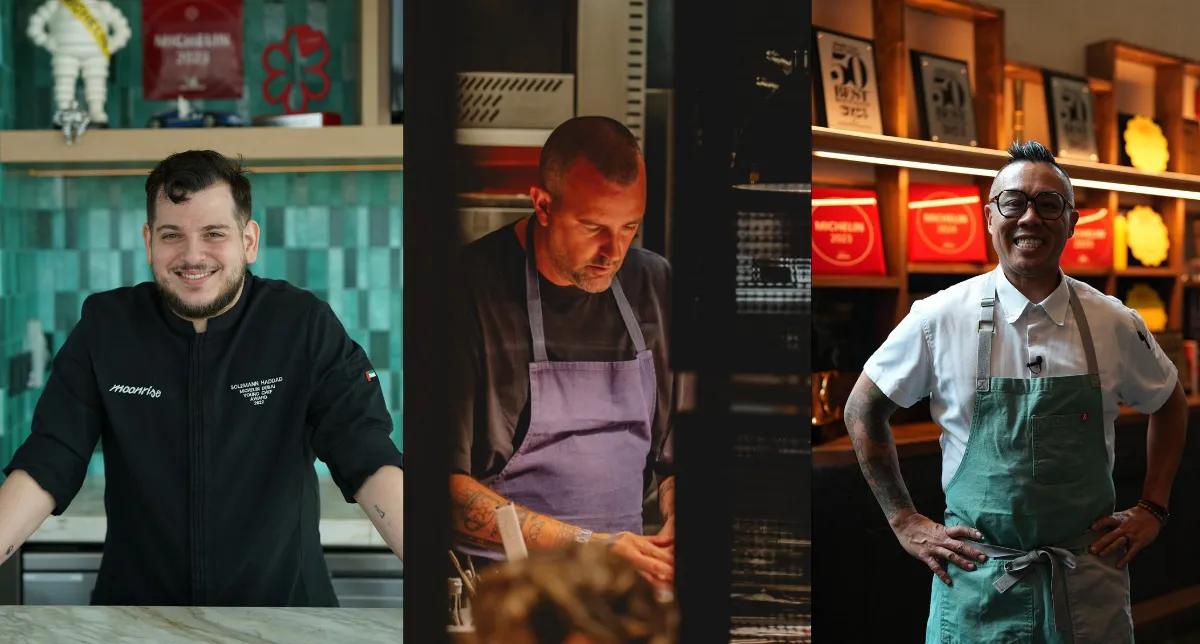
Boundaries between food cultures no longer simply blur — they harmonise. Chef James Knight-Paccheco, Culinary Development Lead at Chef Middle East, adds: “In Dubai, we’re seeing Emirati heritage techniques intersect with Japanese precision, French foundations, Indian warmth, and Korean fire. It’s evident in the work of Chefs Solemann Haddad, Hadrien Villedieu, and Chef Kelvin Cheung. It’s no longer fusion for novelty; it’s storytelling through flavour."
Together, these point to a defining truth for the future of food: the most relevant menus won’t be tied to a single cuisine, but to the chef’s lived experience — executed with technical discipline and cultural respect.
2. Ingredient Origin and Technique Are Shaping Flavour From Within
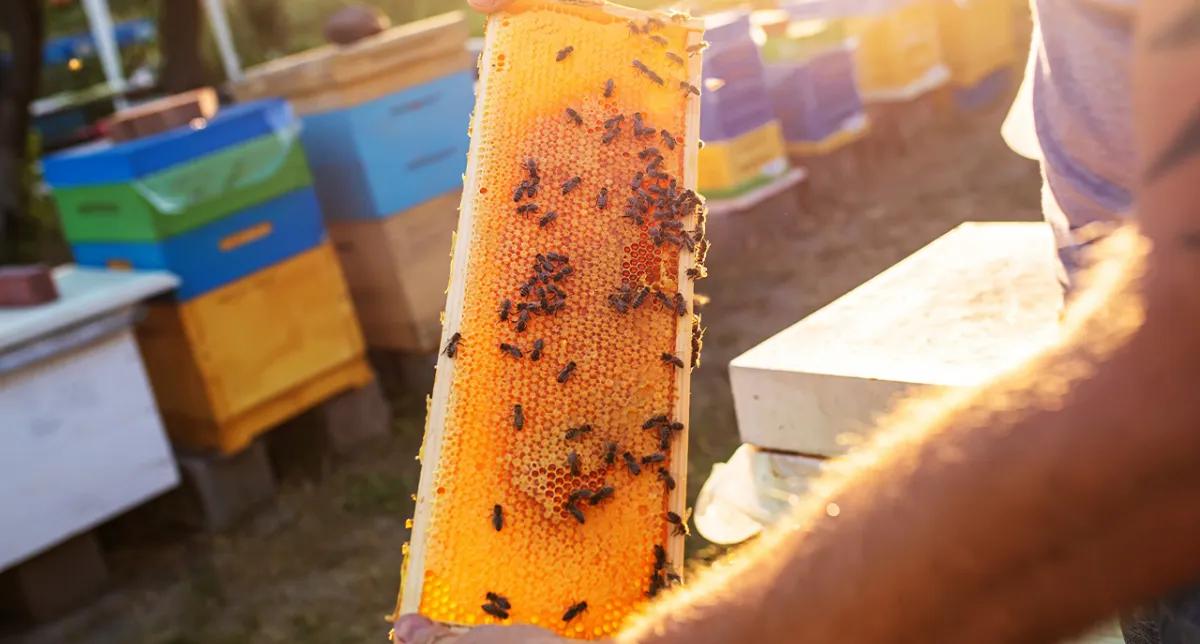
According to Chef Amine Hmani, Pastry & Bakery Development Manager at Chef Middle East, ingredient provenance and technique are increasingly driving how flavour is built, not just how it’s presented. “Single-origin chocolates, regional nuts, local ingredients like Hatta honey, traditional spices, and fermented grains influence texture, aromatic profiles, and depth — allowing flavour storytelling to emerge through precision rather than performance.”
This is exemplified best by multi-awarded pastry Chef Carmen Rueda Hernandez of Brix, whose multi-course dessert experiences move beyond visual flair into narrative-driven tasting menus — from a Silk Road–inspired journey shaped by spice markets and Mediterranean gardens, to a concise exploration of the UAE’s pearl-diving heritage and hospitality culture.
3. Regional Identity Is Being Expressed Through Local Ingredients
For chefs, locality is no longer a garnish — it’s becoming the foundation of flavour and storytelling. Chef Jacob highlights the creative potential of regional ingredients: “Working with elements like Ghaf, date-derived products, and botanicals native to the region allows dishes to feel more meaningful and connected to place — not just technically impressive, but emotionally grounded.”
Restaurants like Gerbou translate Emirati heritage through locally sourced ingredients, while Bait Maryam grounds its menu in regional produce and memory-driven cooking. In Doha, IDAM by Alain Ducasse offers a parallel expression, integrating Qatari ingredients into a refined, contemporary narrative of place.
What This Means for the Industry
These two threads point to one truth: the future of dining is about intentionality.
Chefs are moving away from trends for trends' sake towards purposeful decisions rooted in deeper values: nourishing guests holistically, honouring cultural heritage, respecting ingredients, and elevating craft.
At Chef Middle East, we see our role in supporting this evolution. As the region's leading foodservice distributor across the UAE, Qatar, and Oman, we're committed to expanding our capabilities to meet these emerging needs – from sourcing specialty ingredients that today’s wellness-driven, culturally authentic cuisine relies on, to building the knowledge infrastructure that helps operators execute these trends.
Beyond supply, we believe responsibility must remain part of the conversation. Through initiatives like Plate of Purpose, we’re bringing sustainability to the forefront of the foodservice industry — encouraging like-minded partners to keep the bigger picture in mind across kitchens, supply chains, and dining rooms.
Through Epicure Studio, we're developing programming that translates industry movements into practical applications, creating a platform where culinary trends meet executable kitchen strategies. In partnership with Fondation Paul Bocuse, we’re proud to present a curated series of masterclasses designed to advance culinary mastery. (Read more about the programme here)
This is where dining is headed. And we're here to make sure you have everything needed to be part of it.