
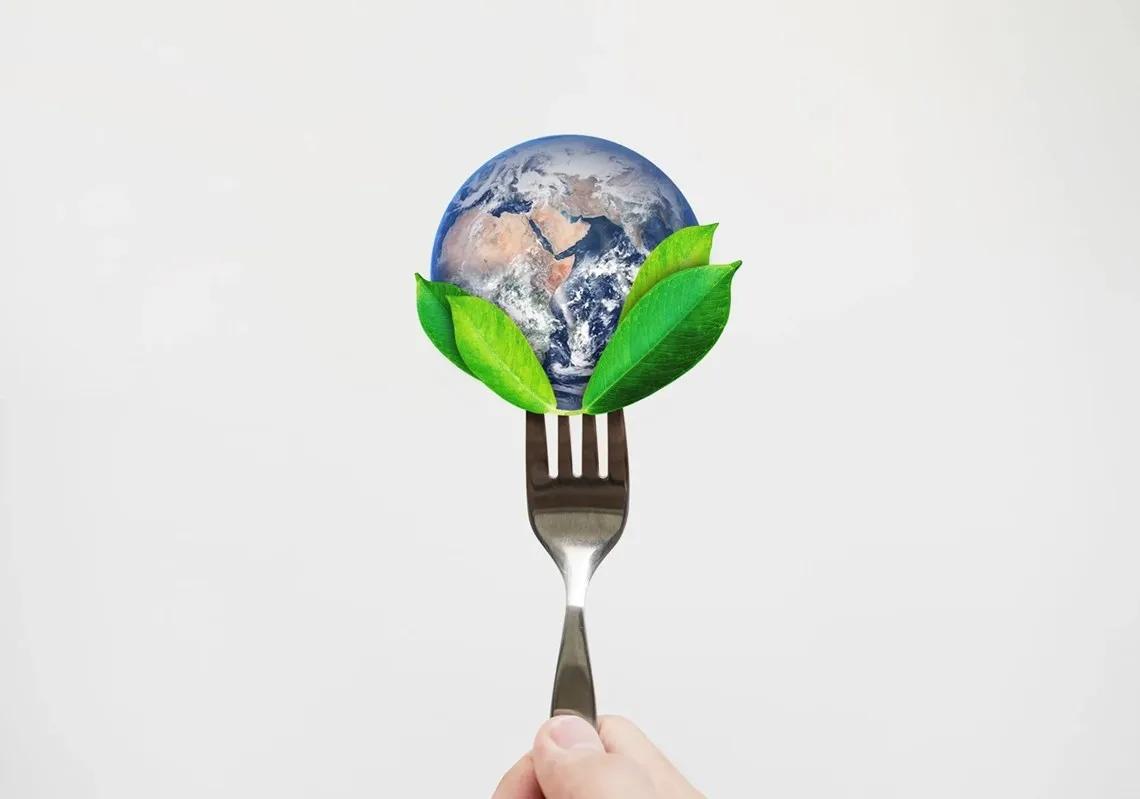
In this blog, we will explore some of the many ways that you can create a sustainable restaurant menu that offers scrumptious and eco-friendly dishes, and how Chef Middle East can support you with this endeavor.
Many of our partner brands use ethical farming techniques to drastically reduce the levels of greenhouse gases that are released into the atmosphere, and preserve vital ecosystems.
For instance, gourmet chocolate brand Valrhona makes sure it never plants its cocoa plots on areas that were previously forested. This ensures that it produces zero deforestation carbon emissions.
Our tasty snacks from McCain have also been produced using planet-friendly techniques. By maintaining healthy soils, the brand continues to support and develop local communities, and look after the planet.
Meanwhile, Olmeda Orígenes’ rice cultivation in the Albufera region of Spain is a practice that’s deeply ingrained in the local ecosystem. By supporting and promoting the consumption of such products, the company indirectly advocates for the preservation of ecosystems and biodiversity.
If done irresponsibly, fish farming can have a negative impact on the environment. Thankfully, Chef Middle East works with several low-carbon seafood brands that are striving to protect and preserve the environment.
Experts in healthy, fresh and delicious seafood, Lerøy has been rewarded for its responsible and sustainable methods with several prestigious certifications. It is actively working to further the development of sustainable fish feed, use alternatives to fossil fuels, and reduce the weight of its transportation units. Lerøy always ensures that the environment it uses can regenerate into its original state.
Another example of a business that champions sustainable seafood farming is New Zealand brand Sanford Mussels. Deeply connected to the people, environment and culture of New Zealand, Sanford understands that the environmental, economic and social choices it makes have an impact on current and future generations. Sanford is committed to creating a sustainable future for the communities of New Zealand, and contributing towards the United Nations Sustainable Development Goals (UN SDGs).
A firm believer in leading by example, Sanford Mussels keeps New Zealand’s waters biologically diverse, safe and healthy by following many different environmentally-focused policies. This includes:
Organic products are free from pesticides and kinder to the environment. They are also packed with delicious taste, vitamins and goodness.
Rude Health, our highly regarded healthy food and drink brand, always uses carefully selected, organic ingredients in its creamy and satisfying milk alternatives.
The almonds for Rude Health’s almond milk are grown and harvested in small patches in Sicily. Free from pesticides and pollinated by local bee populations, they are far more eco-friendly than many of the almonds grown in California and elsewhere. Meanwhile, the oats for Rude Health’s oat milk are grown where they naturally grow best; in the rain-rich fields of Britain and Northern Europe. Finally, the organic coconuts for Rude Health’s award-winning coconut drink are sourced from Sri Lanka and the Philippines, and picked without the use of slave monkeys.
Sold in single-use plastic free and recyclable packaging, Rude Health’s sustainable and organic milk alternatives are ideal for plant-based coffees, smoothies, milk shakes, overnight oats, desserts and more.
Cutting down on water and energy consumption is one of the most effective ways of making your venue more sustainable.
Not only does reducing your carbon footprint lessen the impact that your restaurant has on the environment, but you’ll also notice that it drastically reduces your electricity and amenity bills as well.
For instance, by adopting more efficient processes, Les vergers Boiron has also reduced its gas consumption by 40% and its water use by 15%, in just three years
Frozen snack expert McCain is another Chef Middle East partner brand that has admirable ambitions when it comes to preserving the world’s resources. It currently operates on 18.5% renewable electricity, and it aims to move away from coal and operate on 100% renewable electricity by 2030. In addition, it is aiming to improve its water-efficiency processes in water-stressed regions by an additional 15% before 2025.
Many of our partner brands prioritize reducing water and energy in their offices, as well as across their production methods. For example, the head office of Rude Health is entirely powered by 100% renewable energy and Renewable Energy Guarantees of Origin (REGOs) certified.
Some other ways of reducing water and energy use in your restaurant, hotel or venue include installing water filters instead of using individual single-use plastic bottled waters, investing in light sensors, and training staff in how to reduce water and energy use.
The Chef Middle East team are actively involved in water preservation efforts. For example, our ‘No More Bottles’ scheme has seen us install water filtration systems across all our regional branches, and provide all our employees with reusable water bottles. Along with enabling us to remove all single-use plastic bottles from our branches, the initiative has also allowed us to significantly reduce our company’s water wastage and consumption.
Food waste poses a significant challenge in the hospitality industry, accounting for 26% of the world’s annual food waste, with the GCC region ranking high in this global issue. Studies, such as the Food and Agriculture Organization’s findings, indicate that 38% of daily prepared food in the UAE is discarded, with the average resident disposing of up to 163kg of food annually. During Ramadan, food waste in the UAE surges by 60%, and in Qatar, nearly half of the food prepared during this holy month ends up in landfill.
Beyond ethical concerns, the environmental impact of food waste is substantial, contributing significantly to atmospheric methane. Fortunately, both the UAE and Saudi Arabia have committed to a 50% reduction in food waste by 2030. The UAE government’s National Food Loss and Waste Initiative, Ne’ma, a collaborative effort between the Ministry of Climate Change and Environment and Emirates Foundation, addresses food loss and waste comprehensively by engaging with various stakeholders.
To make restaurant kitchens more sustainable, a practical approach involves maximising the use of every ingredient. This includes repurposing vegetable skins for puree or transforming stale bread into croutons or breadcrumbs. Sustainable restaurants increasingly employ AI systems to optimise food preparation for buffets and donate excess food to local farms, a step supported by the UAE’s commitment to reducing food waste.
The UAE’s introduction of Circa Biotech in 2022 marked a significant milestone as the region’s first project to upcycle organic waste into high-quality animal proteins, organic fertilisers, and oils. The Dubai Municipality plays a crucial role, collecting 4,000 tonnes of food waste annually for repurposing into sustainable organic fertilisers and animal feed. In 2023 alone, the municipality donated 70.5 tonnes of food to the Emirates Food Bank and repurposed almost 400 tonnes of food material.
Internationally, brands like Martin’s in the USA are actively addressing food waste by setting time-bound, quantitative goals and repurposing production waste and unsold products for animal feed and fertilisers. Such initiatives, supported by studies and reports from reputable organisations, are crucial steps toward creating a sustainable and responsible food industry.
Many of Chef Middle East’s partner brands give a portion of their profits to charity. For example, Martin’s, the creator of our legendary Potato Buns, donates over 10% of its annual profits to charities and scholarship programs. Rude Health is another business that donates 5% of its products to charitable causes.
Another option is to partner up with local non-profit organisations. At Chef Middle East, we collaborate with food banks in the UAE, Oman and Qatar to reduce food wastage and assist those in need.
Beef specialist Greater Omaha Packing also works closely with non-profit organizations and charities, and it provides scholarship programs for young talents. A staple of its local community in Nebraska, USA, for over 100 years, Greater Omaha prioritizes diversity and inclusion at all levels of its business, and it aims to provide as many jobs as possible for local people.
As you can see there are many ways that you can create an effective sustainable restaurant concept or at least start integrating some more sustainability practices into your daily operations to start making a difference.
For more ideas about how to make your restaurant menus more ethical, please contact our team on info@chefmiddleeast.com.